Nomophobia: No Mobile Phobia
In 2008, I made a major shift in my life, exploring topics, organizations, and interests that had always caught my attention passively, but I had done very little to purposefully engaged with. One of those topics was the paranormal.
I went to a small, local group meeting and met a woman that I instantly connected with. She was fascinating, with a strong will and interesting history. We became fast friends and progressed through a couple of paranormal investigation groups together.
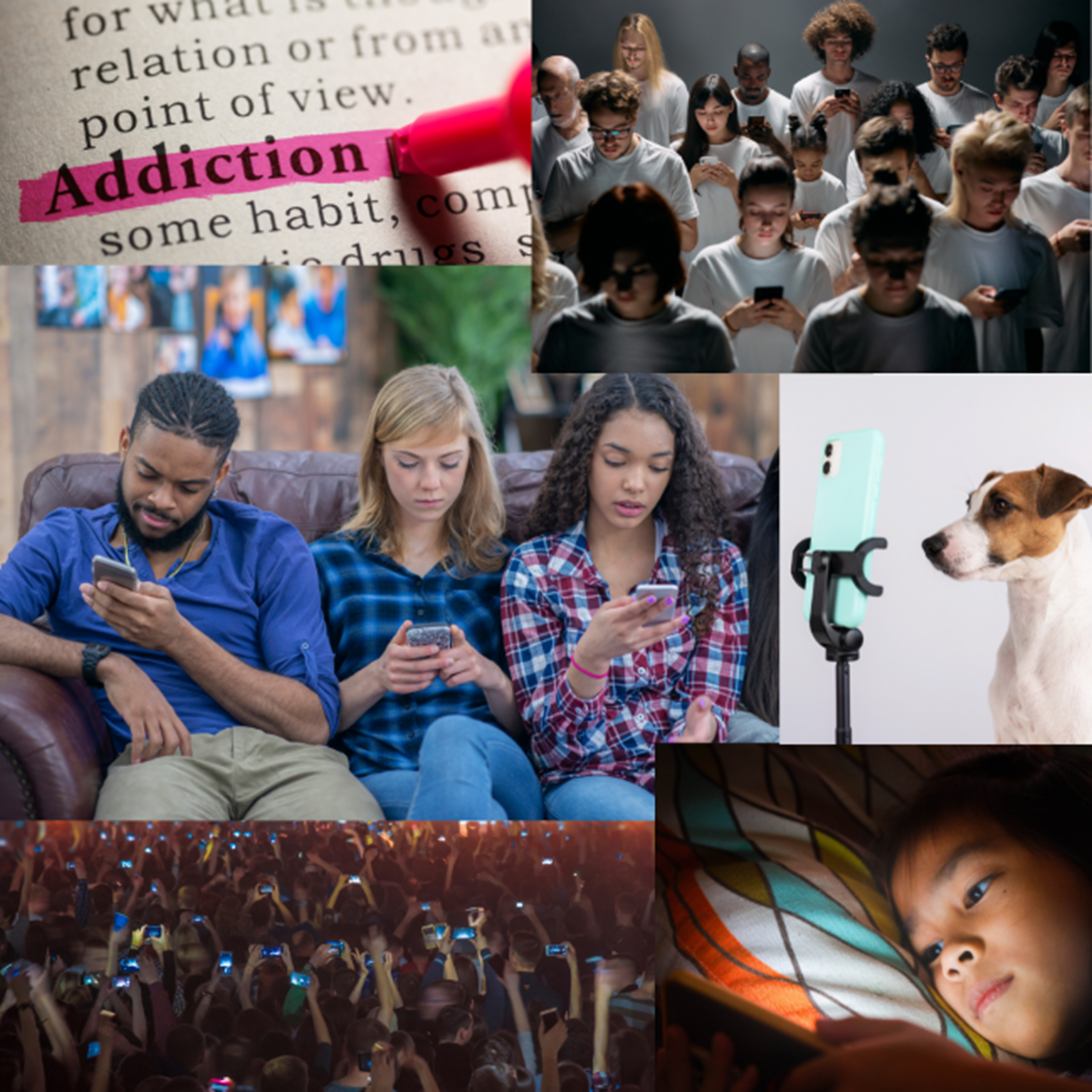
Along the way, though, I noticed she always had her phone in hand. We would be having a serious conversation, but her eyes were constantly darting to her phone; She would talk to me and type at the same time, responding to messages. Then there was the frequent, mid-sentence, “Wait just a sec,” while she focused fully on her phone.
Cell phones had just advanced to the status of being mini-computers, and her obsession was troublesome. I gradually backed away from our visits, deciding I had more value than being a technical sidekick to her ever-growing self-absorption.
I grew up in a time where people came first. The phone was an accessory, a mere convenience for communication. We would leave the house and had no idea if anyone called or not. If someone needed us, they would call again.
Then we got answering machines. We’d get home and play the messages back, responding as appropriate.
When the phone rang, we answered politely and handed it off to whomever the caller was seeking. We didn’t interrupt each other if one was on the phone, but in a business situation, the live person standing as a customer was the priority. The person on the phone was asked to hold.
Today, people carry and interact with their phones out of boredom and habit. It is an extension of the body, as though a person can’t function without it. A person can be injured and bleeding, and passers-by will start recording instead of calling 911, looking up first aid tips, or putting down the phone to help.
At any event with spectators, all we can see are phones high in the air. How many people have actually gotten good photos at a concert? How often do they playback those hours of recordings?
Personally, I’d rather put away the phone and enjoy the experience. Memories and feelings are an important part of living. How much do you absorb in your surroundings when you are looking at a phone screen instead of the live action?
I’ve been blocked from seeing a child’s performance on stage because people are waiving phones over their head. The child wants to see their loved ones’ faces in the audience, not a bunch of camera lenses.
People tend to have a “fear of missing out.” (FOMO), so they engage with social media. When people “like” or engage with posts, the poster gets an adrenaline rush that is addictive. The incentives to interact with technology are very real.
However, I would like to suggest it is a self-fulfilling disappointment with a cycle of behavior that is detrimental to human interaction. The more people engage with technology in lieu of engaging with the human experience, the more they are extracted from actual living. When you don’t feel fulfilled with human interaction, the technology becomes a crutch, a pacifier, a replacement for human closeness. Users are literally looking for their next adrenaline fix while missing out on real relationships.
As technology progresses, we need to recognize its purpose and use it to enhance rather than consume our lives. Just a slight perception change from seeing your phone commanding you to awaken, to being a device that you set as an alarm can shift the view of dependency.
That little device is not a necessity. It’s a convenience. Family, friends, coworkers...people are the necessity. Where is the focus of your own FOMO?