Inquiring Minds Expand
Understanding is a huge part of communication. We can talk to each other, but if we don’t understand each other, we can’t move forward in the conversation.
When I was about three years old, I recall being in a Sunday School class where we had just been told the story of Noah’s Ark. We were then given a cartoon drawing of Noah with a few animals on the ark. A giraffe had his head sticking out of the top, the elephant took up half the deck and a bird flew overhead.
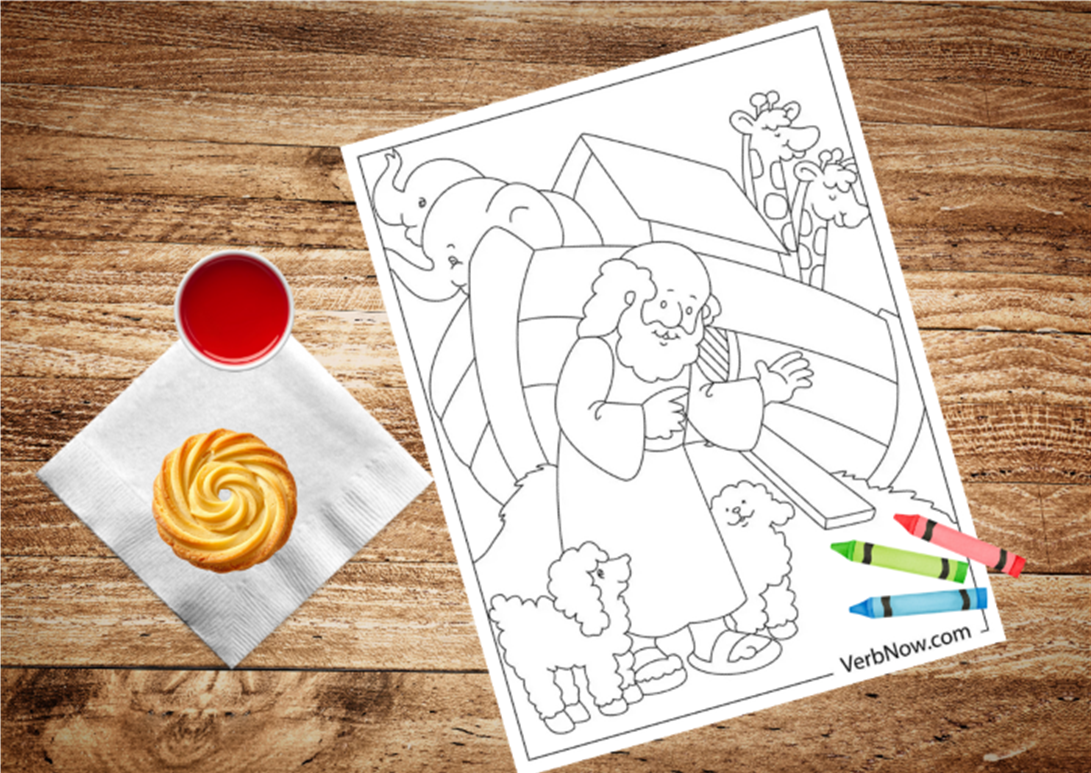
At the same time, they handed out a cookie and juice for us to snack while we colored the picture. I remember vividly looking at the picture, picking up my cookie and leaning back in my chair. As I took a bite, I thought, “ALL the animals? On THAT boat?” Questions about the logistics of gathering animals ran through my mind. Most animals ran from me. What would make a rabbit hop onto Noah’s craft?
Instantly, I realized we were told a story full of holes, and I wanted answers. Still, I knew better than to ask my teacher.
What I did learn was to observe and connect, ask questions, and gain understanding. While I wasn’t (I don’t think) a pest in classes, if I didn’t understand something through no fault of my own, I spoke up. Now, if my mind drifted and I wasn’t paying attention, I kept my mouth shut. Missed information was my fault and I’d figure it out later.
Over time, I realized someone wasn’t an authority just because they stood in front of class or were called by an official name. EVERYONE makes mistakes and NO ONE knows everything.
I sat on the front row in high school Algebra class and would catch my teacher’s mistakes. She thanked me when I whispered the right answers to her. I learned from her, but she had her less stellar moments.
When I worked with a major insurance company evaluating medical bills, I quickly learned doctors were far from perfect.
“What do you call someone who graduates at the bottom of their medical school class?” The answer: “Doctor.”
They spend a lot of time learning anatomy and chemistry, which is important. But some merely regurgitate what they are told while others are actually able to apply practices, observe, and develop their own command of the knowledge. I prefer doctors who listen and are willing to learn from their patients.
Personally, I like to understand where my actions fit in with the big picture. I remember being told to type up mailing labels for a newsletter. This was before computers—the labels had to be created on a typewriter. I asked a few questions and observed the process.
I learned that the same list was used each month and when someone’s address changed, it was corrected at the bottom of the list. Still it was re-typed each month.
I created an original, alphabetized list on paper. I then purchased labels that could be run through a copier. The list could be copied instead of retyped. When someone’s address changed, I typed it on another paper, cut it out and taped it over the original. Once or twice a year, the entire list could be re-typed, which made it much easier than typing every month.
If I had just done what I was told without understanding the entire process, I’d have had to retype that list each and every month.
When I worked as a news writer, I made sure I understood the story before I wrote it. Unfortunately, I couldn’t say the same about my counterparts at other papers.
Whether it makes my job easier, my life easier, or just improves my general knowledge, asking questions is important to me. Any time someone says, “I don’t know,” I either research or someone who does know.
We are inundated with false facts, news, partial stories, and information from people who don’t know what they are talking about. I sift through to figure out, what affects me directly, what I need to know, and research for the facts.
Always, ALWAYS question everything and make sure your own message is understood.