Historical facts and fiction
Thanksgiving is an American celebration when we honor the pilgrims who survived and settled on the east coast. We are told they were thankful for the great harvest, and the help of the Native Americans who helped them prepare for the coming winter months. That’s the story we are told.
“The First Thanksgiving” story is built around the 52 pilgrims that survived the trip on the Mayflower. About 80 Wampanoag tribe members joined them for the three-day celebration. Thought the natives were wary as these were not the first settlers they met, they assisted the newcomers.
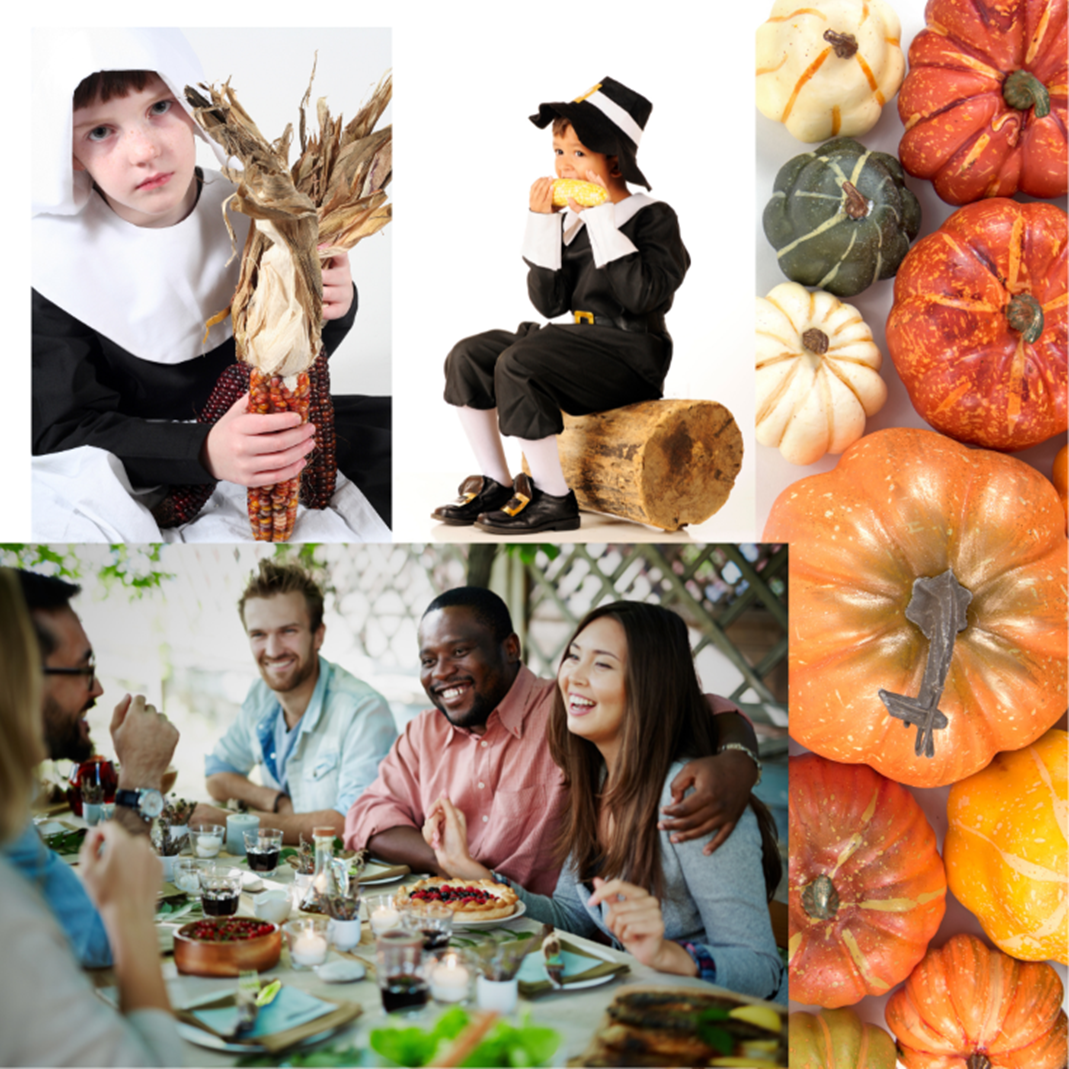
The Mayflower started out with 102 passengers and 30 crew members. The ship was about 100 feet long and 25 feet wide with three or four decks. The crew stayed above while passengers were restricted below. The space for the passengers was 20 x 80 feet (1,600 square feet) and the ceiling was 5 feet high.
They left Plymouth, England in September, were blown off course and landed in Cape Cod two months later. A few of the men disembarked, leaving most on the boat while they explored the area and returned to navigate to Plymouth, Massachusetts where they ultimately settled.
In November 1620, the unprepared settlers faced a bitter winter and half of them died. During the following year, they successfully prepared for another winter and celebrated.
The facts, though, are somewhat murky. The actual landing spot of the Mayflower could be challenged as it wasn’t declared until 150 years after the fact.
Thanksgiving started as a regional observation but it wasn’t until the mid 19th century that a magazine editor began a campaign nationally to proclaim a holiday. The origin story was created, and in 1863, President Lincoln proclaimed the national holiday in an effort to unite the nation in the midst of the Civil War.
Originally set to be the last Thursday of November, Thanksgiving was shifted to the next-to-last Thursday of the month by Franklin D. Roosevelt in order to extend the shopping season before Christmas in hopes of helping the country recover from the depression.
Some states complied, others didn’t. By 1941, Congress ended the confusion declaring the fourth Thursday of November as Thanksgiving.
An interesting side note—some folks believe Thanksgiving has been the third Thursday for many years; others only remember it being the last Thursday. Is this another Mandela Effect?
When we consider the history of those before us, it’s important to recognize we are hearing the popular accounts frequently created decades, if not centuries, after the events.
Add government officials, magazine editors, story tellers, foreign languages, and wonky landmarks to the mix and an entire new narrative of convenience is created.
This has happened time and again in our distant and recent history, and it is happening today. Two versions of the same story, with two or more perspectives, can be documented, but the one that gets the most press is what people will believe.
The general population tends to want their news neat and tidy, in short sound bites. They won’t research, they won’t ask questions of the parts that sound off—hell, most won’t even listen well enough to hear the off-kilter parts. Asking questions and questioning authority has become too difficult. (Unless it’s an idiot that is fighting a police officer—the guilty will ask a lot of questions...but I digress.)
Stories are nice. They are easy ways to remember a happy past. Whether people like the way we’ve gotten here or not, our current state of being is what we make it. How we live now is what is important. Get to know the history to avoid previous mistakes; be wary of those that try to alter your current perceptions; and most of all, follow your heart.